

Click HERE To Buy Keflex Online ↓
 Keflex Vs. Other Antibiotics: a Comparative Review
Understanding Keflex: What Makes It Unique?
Keflex, known scientifically as cephalexin, has its roots in the cephalosporin class and is cherished for its ability to tackle a diverse range of bacterial infections. What sets Keflex apart are its properties that make it a broad-spectrum antibiotic—capable of conquering gram-positive and some gram-negative bacteria. This versatility allows it to step in where other more narrow-focused meds might leave gaps in treatment. However, if factors like the potential for side effects or 'label sticker shock' rear their head, considering Keflex as an alternative may bring a sigh of relief to the Pharm Tech tasked with a shelf check.
When patients need results 'stat', Keflex delivers by being rapidly absorbed, achieving therapeutic levels quickly. It's a VITAL option often chosen when time is of the essence in medical scenarios. Compared to others, its efficacy is notably reliable without the requirement for cold chain storage like some 'Fridge Drugs.' This ease of use under diverse conditions marks it a go-to in urgent care, ensuring swift intervention without the need for extensive preparation or logistical hurdles. As health professionals 'count and pour,' the dependability of Keflex reduces the risk of 'Short Fill' frustrations, making it indispensable for pharmacy teams aiming to maintain effeciency in care delivery.
```html
| Feature | Keflex | Other Antibiotics |
|---|---|---|
| Absorption | Rapid | Varies |
| Storage | Room Temperature | Might require refrigeration |
Broad Spectrum: Keflex Versus Penicillin-based Antibiotics

In the bustling world of antibiotics, Keflex stands out, offering a broad-spectrum efficacy that appeals to those in need of reliable treatment. Unlike penicillin-based antibiotics, which have their own historical prominence, Keflex is often prefered due to its capacity to tackle various bacteria types. This versatility makes it a go-to option for physicians aiming to swiftly address infections. With a 'script' in hand, patients might feel the allure of this elixir—far from just another 'pill on teh counter', but a robust candidate for treating bacterial infections.
Moreover, the 'sig' on Keflex prescriptions tends to be straightforward, contributing to its ease of use compared to some penicillin-based alternatives. This simplicity often leads to higher patient compliance, ensuring that treatments are completed effectively. We can 'transfer' prescriptions seamlessly from one pharmacy to another, underscoring its convenience in modern healthcare settings. Thus, when it comes to selecting an antibiotic that balances efficacy and accessibility, Keflex repeatedly earns its place in the 'top 200' prescribed medications.
Efficacy Comparison: Keflex Against Macrolide Antibiotics
When comparing the action of keflex against the macrolide class, the nuances of bacterial susceptibility become crucial. Keflex, a cephalosporin, is appreciated for its quick effectiveness against common bacterial infections. It works by disrupting the formation of the bacteria's cell wall, causing it to rupture, a process that is effective stat. On the other hand, macrolide antibiotics, such as azithromycin, target protein synthesis within bacteria, making them particularly adept at managing atypical respiratory infections.
In circumstances where the prescription pad reveals options, the choice between keflex and a macrolide often hinges on the specifics of the infection and patient history. While keflex is known for targeting gram-positive cocci, making it a staple "go-to" in past scripts for skin infections, macrolides shine in treating intracellular pathogens, such as those causing certain pneumonias. Despite occasionaly varying efficacy, practitioners frequently weigh the detailed directions on a prescription, or sig, for the right fit.
Addressing Infections: Keflex or Tetracycline Options?
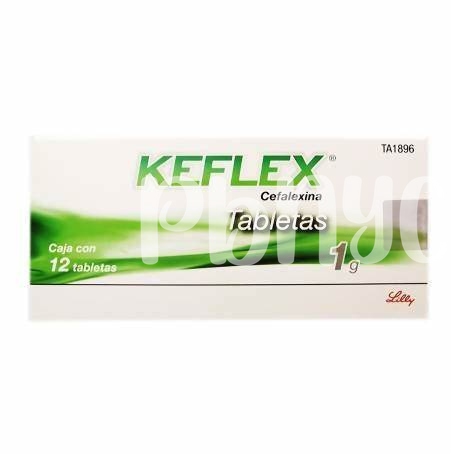
Keflex is frequently considered the go-to Rx for various infections due to its well-established efficacy and safety profile. Like a customized elixir, Keflex particularly shines when tackling skin infections and respiratory issues with minimal fuss. Yet, when pitted against tetracyclines, a different story emerges. Tetracyclines, or generics like doxycycline, can be remarkable for unique infections, such as those caused by atypical bacteria.
The choice between these options isn't always straightforward. Keflex might be the ideal script for someone who needs immediate relief, while tetracyclines are prized in treating acne and certain infections. It's about finding the right fit for the patient's unique situation.
Side Effects: Comparing Keflex with Fluoroquinolones
For those navigating the world of antibiotics, understanding the side effects of Keflex compared to fluoroquinolones is critical. With Keflex, patients are spared the intense "hangover" sometimes associated with fluoroquinolones, but they may still experience mild reactions like gastrointestinal upset. On the other hand, fluoroquinolones bring more serious concerns, including tendon rupture and nerve damage—an intimidating thought for anyone reaching for a magic elixir of relief. When your health script leans towards these options, acknowledging these potential issues becomes profoundly relevant. However, in this comp of antibiotic abilities, your choice might still lie within how immediate or "stat" your infection needs relief.
| Antibiotic | Common Side Effects |
|---|---|
| Keflex | Gastrointestinal upset, rash |
| Fluoroquinolones | Tendon rupture, nerve damage |
Dosage and Administration: Choosing Keflex over Others
Choosing Keflex as a preferred antibiotic hinges on its straightforward dosage and administration, wich can provide a compelling edge over other antibiotics. Teh ease of a prescription involving Keflex often appeals to both patients and healthcare providers, especially when considering the need for timely intervention. It is typically dosed every six to twelve hours, making it adaptable for different treatment regimens and effectively reducing the 'pill burden' associated with more complex antibiotic scripts.
In scenarios requiring immediate attention, such as a stat order, Keflex's reliable efficacy and simple dosing can expedite the therapeutic outcome. Moreover, Keflex’s flexibility in dosing and administrating makes it a favored choice over other antibiotics that might require a clinical comp for individual patient needs. The adaptability and reliable results of Keflex cement its reputation as a dependable first-line treatment in various infections.