

Click HERE To Buy Augmentin Online ↓
 Augmentin Vs. Amoxicillin: Key Differences
Mechanism of Action: How Each Antibiotic Works
At first glance, both Augmentin and amoxicillin might seem similar, as they share amoxicillin as a common ingredient. Amoxicillin acts by disrupting the construction of bacterial cell walls, making it difficult for harmful bacteria to survive and multiply. This targeted attack is what allows it to treat a range of infections efficiently.
However, Augmentin takes this mode of action a step further. Along with amoxicillin, it contains clavulanate potassium—an additional component that inhibits bacterial enzymes known as beta-lactamases. These enzymes usually help bacteria resist antibiotic action, but clavulanate keeps the doors open for amoxicillin to work effectively.
| Antibiotic | Main Component | Extra Component | Role of Extra Component |
|---|---|---|---|
| Amoxicillin | Amoxicillin | None | — |
| Augmentin | Amoxicillin | Clavulanate Potassium | Overcomes bacterial resistance |
Spectrum of Activity: What Infections They Target
Amoxicillin is a trusted choice for addressing common bacterial infections like strep throat, ear infections, and certain respiratory tract infections. Its effectiveness comes from targeting a broad range of gram-positive bacteria, making it a go-to for straightforward cases. However, not all bacteria are easily defeated—some have learned to resist amoxicillin’s straightforward attack.
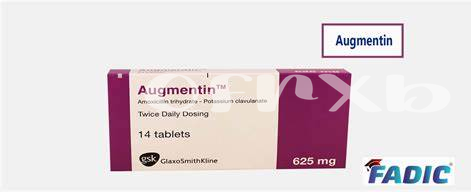
Enter augmentin, a combination of amoxicillin and clavulanic acid. This pairing expands its reach, allowing it to tackle tougher infections caused by bacteria that produce beta-lactamase, an enzyme that would normally neutralize amoxicillin alone. As a result, augmentin is often prescribed for sinus infections, more complicated respiratory infections, and even some skin or urinary tract infections.
Resistance Factors: Why Augmentin Combats More Bacteria
One of the greatest challenges in treating bacterial infections is the growing prevalence of antibiotic resistance. Amoxicillin, while highly effective against many bacteria, can be rendered useless when facing microbes that produce beta-lactamase—an enzyme specifically designed to destroy drugs like amoxicillin. This is where augmentin stands out as a game-changer.
Augmentin combines amoxicillin with clavulanic acid, a carefully selected ingredient that blocks the destructive action of beta-lactamase. By stopping this bacterial defense mechanism, augmentin empowers amoxicillin to remain effective, targeting strains that would otherwise evade treatment. This partnership dramatically broadens the range of infections that can be successfully treated.
Because of its dual-action protection, augmentin proves particularly valuable in community-acquired infections, where resistant strains are common. As a result, physicians turn to augmentin when standard therapy might fail.
Side Effects and Safety: What Patients Should Know
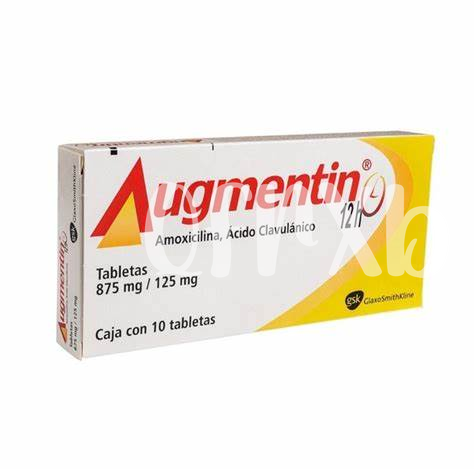
When considering antibiotics, safety is always top of mind for patients. Both medications commonly cause mild side effects like upset stomach, diarrhea, or rash. However, Augmentin, which combines amoxicillin with clavulanate, can sometimes result in additional gastrointestinal issues, such as increased risk of diarrhea or, rarely, liver enzyme elevations.
Allergic reactions—ranging from mild skin rashes to serious anaphylaxis—may occur with either medication, especially for those with a history of penicillin allergies. It’s important for patients to inform their healthcare providers about existing allergies and any unusual symptoms during antibiotic treatment. Proper use, under a doctor’s supervision, greatly reduces the risk of complications.
Dosage Forms and How They Are Taken
Augmentin and amoxicillin both come in tablets, chewable tablets, and oral suspensions, meeting different patient needs. For children or adults who struggle to swallow pills, the liquid forms offer an accessible alternative. While amoxicillin can often be taken without regard to food, Augmentin is best taken at the start of a meal to minimize potential stomach upset. This distinction can influence patient preferences, especially for those prone to gastric side effects or younger children. Both antibiotics are prescribed according to the type and severity of infection, but following the dosing schedule accurately is essential to ensure effective treatment and avoid bacterial resistance or relapse.
| Medication | Common Forms | Administration Tip |
|---|---|---|
| Amoxicillin | Tablet, Chewable, Suspension | With or without food |
| Augmentin | Tablet, Chewable, Suspension | Take with meal |
Cost and Accessibility: Which One Is More Affordable
Many patients and healthcare providers consider price when selecting an antibiotic. In most cases, amoxicillin tends to be more affordable, both with and without insurance, because it's been available for decades as a generic medication. This makes it widely accessible in pharmacies across the globe.
Augmentin, which combines amoxicillin with clavulanate, is typically more expensive due to its enhanced formulation. Insurance coverage can offset some of the cost, but co-pays may still be higher for Augmentin compared to amoxicillin alone.
Despite the price difference, choosing between these medications often depends on the specific infection and whether resistance is a concern. For those on a budget, amoxicillin is the more cost-effective choice, but in cases where broader coverage is necessary, the investment in Augmentin may be worthwhile. Always discuss options with your healthcare provider to balance effectiveness and affordability.