

Click HERE To Buy Bupropion Online ↓
 Off-label Bupropion Uses: Evidence and Risks
Bupropion for Adhd: Evidence, Benefits, Limitations
Clinicians sometimes reach for an antidepressant instead of stimulants when treating adults with ADHD. Trials suggest bupropion can reduce core symptoms like inattention and impulsivity, offering a different mechanism and lower abuse potential than amphetamines.
Benefits include modest symptom improvement, favorable effects on mood and smoking cessation, and tolerability for patients with substance use histories. Limitations: smaller effect sizes than stimulants, inconsistent pediatric data, and few large randomized trials.
Shared decision-making, baseline seizure risk assessment, and monitoring for anxiety or sleep disturbance are essential. Reserve use for those who cannot tolerate stimulants or have comorbid depression; set realistic expectations about outcomes.
| Outcome | Evidence |
|---|---|
| Inattention improved | Small trials |
| Hyperactivity variable | Mixed data |
| Tolerability favorable | Common AEs |
Bupropion to Quit Smoking: Comparative Effectiveness, Harms

When someone decides to quit, the struggle often feels personal and biochemical. bupropion, an atypical antidepressant with dopaminergic and noradrenergic effects, reduces cravings and withdrawal symptoms by modulating reward pathways. It’s attractive because it is non-nicotinic and can double abstinence rates versus placebo in clinical trials.
Compared with nicotine replacement therapy and varenicline, bupropion shows modestly lower efficacy than varenicline but similar effectiveness to combination nicotine patches and gum. Side effects—insomnia, dry mouth, agitation—are common but usually manageable; however, it lacks the vivid efficacy profile of varenicline for heavy smokers and patient preference matters.
Serious harms are rare but important: bupropion lowers seizure threshold, especially at higher doses or with eating disorders, alcohol use, or interacting drugs. Clinicians should screen for seizure risk, counsel about modest benefits versus alternatives, and monitor sleep and mood to balance quitting success with safety.
Using Bupropion for Bipolar Depression: Caution Advised
Clinicians sometimes consider bupropion when depressive symptoms persist in bipolar patients, seeking alternatives to typical antidepressants. Evidence is limited and mostly observational, so careful case selection and clear discussion of uncertain benefits are essential too.
Risk of mood switching is the central concern: bupropion can trigger hypomania or mania in vulnerable individuals. Concurrent mood stabilizers reduce that risk, and close follow up with family reports helps detect early mood elevation.
Clinical trials are small and often exclude complex bipolar patients, so generalizability is poor. Some studies suggest modest antidepressant effect when used as adjunctive therapy, but benefits must be weighed against methodological limitations and uncertainty.
In practice bupropion should be reserved for selected patients who are poorly responsive to safer options, after informed consent. Baseline assessment, seizure risk evaluation, drug interaction review, and psychiatric follow up are essential with documentation
Off-label Anxiety Uses: Mixed Data and Considerations
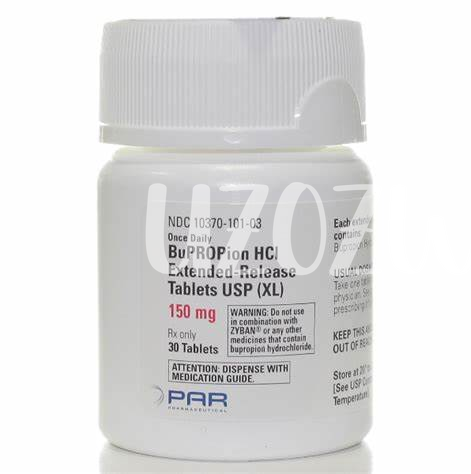
Clinicians sometimes turn to bupropion when patients with anxiety have not tolerated SSRIs or suffer comorbid ADHD or depression. Anecdotes and small trials suggest possible benefit for social anxiety and panic symptoms, but responses are inconsistent; studies are limited by small samples and heterogeneous methods. Discussing realistic expectations and monitoring remains crucial.
Potential harms include activation, insomnia, and a small but important seizure risk that rises with higher doses or eating disorders; drug interactions (e.g., CYP inhibitors) can alter levels. For anxious patients, combining bupropion with CBT or a vetted SSRI may be safer than monotherapy. Shared decision making, baseline screening, and periodic reassessment ensure benefits outweigh risks. Document outcomes and adverse events in detail.
Sexual Dysfunction Treatment: Promise, Evidence Gaps, Side Effects
Many patients and clinicians view bupropion as a hopeful option when sexual side effects from other antidepressants become intolerable. Trial data suggest improvements in desire and orgasm for some users, and open-label studies report meaningful benefit, especially when used to augment selective serotonin reuptake inhibitors.
| Evidence | Quality |
|---|---|
| Randomized trials | Mixed |
| Open-label/observational | Supportive |
Clinicians should weigh modest benefit against side effects such as insomnia, dry mouth, and a small but real seizure risk at higher doses, and consider interactions with other medications. Shared decision making, careful monitoring, and realistic expectations help ensure that off-label use improves quality of life without undue harm. Further research will clarify optimal protocols, predictors of response, and comparative effectiveness versus alternative strategies. Patients deserve transparent counseling always.
Seizure Risk, Drug Interactions, and Monitoring Essentials
When prescribing this medication, balance benefit against a clear dose related risk of seizures. Risk increases with higher doses, immediate release formulations, prior seizure disorder, eating disorders, and abrupt alcohol or benzodiazepine withdrawal. Avoid use in patients with epilepsy, correct metabolic and electrolyte abnormalities, and begin at low doses with gradual titration. Advise patients to report any seizure or new neurologic symptoms promptly.
Interactions can raise blood levels or further lower seizure threshold and require careful review. Common problematic co medications include tramadol, stimulants, some antipsychotics, and potent CYP2B6 inhibitors or inducers. Avoid co administration with MAOIs and reassess dose when adding interacting drugs; check baseline neurologic history, counsel about alcohol, and monitor closely. References: MedlinePlus official drug information and patient summary including warnings for bupropion safety DailyMed full prescribing information, warnings, and interaction data for bupropion by US NLM