

Click HERE To Buy Clomid Online ↓
 Clomid Versus Letrozole: Which Works Better?
How Each Drug Stimulates Ovulation Differently
A hopeful patient listens as a clinician explains mechanisms, framing the choice like a crossroads between two strategies.
| Drug | Mechanism |
|---|---|
| Clomiphene | Estrogen receptor modulator |
| Letrozole | Aromatase inhibitor lowering estrogen |
Clinicians weigh ovarian response, uterine effects, and timing, then write an individualized Rx; some prefer Generics to cut cost while maximizing monitoring and titration.
Patients imagine cycles unfolding, hopeful yet cautious. Evidence guides choices: response patterns, side effects, and fertility goals matter. Discuss expectations, monitoring plans, and backup options with your provider to align treatment and chance of success realistically expected.
Effectiveness Across Age Groups and Infertility Causes
Across clinics I’ve seen hopeful couples learn that drug choice can feel like turning a dial: younger patients with classic anovulation, especially PCOS, often respond well to clomid, at lower doses, which is widely available, but letrozole frequently yields higher ovulation and live-birth rates in trials. Age shifts the odds—ovarian reserve declines, and aromatase inhibition with letrozole can produce thicker follicles and better endometrial receptivity in mid-to-late thirties, improving outcomes where clomid’s antiestrogenic effects may limit success.
Cause matters: ovulatory dysfunction benefits from either agent with careful titration, while unexplained infertility or severe male/tubal factors may need adjunctive intrauterine insemination or IVF instead of monotherapy. Practical considerations—insurance coverage, Rx preferences for generics, and need for monitoring—shape real-world choices. Shared decision-making with a fertility specialist who discusses risks, success rates, and monitoring helps select the right compound medication for each couple.
Side Effects, Risks, and Long-term Safety Profiles
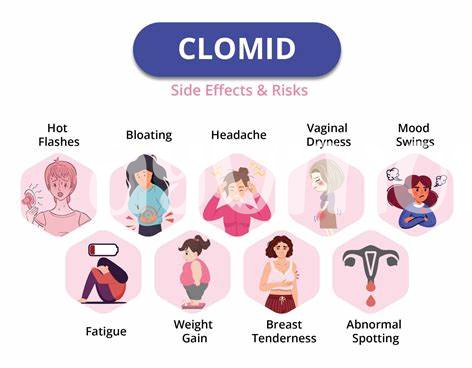
Clinicians discuss immediate tolerability and rare late outcomes. clomid typically causes hot flashes, visual disturbances, and mood changes; aromatase inhibitors shift estrogen differently. Decisions hinge on patient priorities and prior responses to an Rx choice.
Short-term risks like ovarian hyperstimulation and multiple gestation vary: clomid historically links to higher twin rates, whereas letrozole often yields monofollicular cycles. Longitudinal data are encouraging, but fertility journeys weigh small uncertain risks and monitoring.
Many patients worry about lasting effects on offspring; large studies show no consistent increase in malformations. Both drugs are available as generics, making cost and access part of safety conversations with your clinician and nuance.
Counseling emphasizes informed consent: baseline screening, awareness of mood shifts, and ultrasound monitoring guide dosing adjustments. For many, modest cycles deliver pregnancy without long-term harm, but tailoring treatment to values and prior history remains essential.
Comparing Dosing, Treatment Duration, and Monitoring

When a clinician chooses between clomid and letrozole, dosing strategies differ: clomid usually starts at 50 mg daily for five days, while letrozole often begins at 2.5 mg daily for the same window. Physicians commonly escalate doses over subsequent cycles if ovulation is absent, employing careful titration to balance efficacy and risk. Treatment courses are typically trialed for three to six cycles before re-evaluation, with earlier escalation to assisted reproductive techniques if response is poor.
Monitoring blends pragmatic testing and patient-focused care: baseline ultrasound and hormone panels, mid-cycle follicle scans and estradiol checks, and endometrial assessment guide adjustments. Reliable follow-up and timely Rx changes reduce surprises and multiple-follicle risk; clinics communicate results quickly so decisions are prompt. Ultimately, individualized titration, judicious monitoring, and early referral when needed optimize outcomes. Patients appreciate clear timelines, expectations, and accessible support services throughout treatment.
Impact on Endometrium, Cervical Mucus, and Ovarian Response
Clomid sometimes thins the uterine lining, which can complicate implantation despite successful ovulation.
Cervical mucus quality often matters; clomid may make mucus thicker or scant, slowing sperm movement.
Ovarian response differs: clomid can produce multiple follicles and raise cyst risk, while letrozole tends to encourage a more measured recruitment.
Clinicians weigh tradeoffs, monitor lining thickness and mucus, and tailor an Rx - Prescription with help from a Pharm Tech to optimize chances. Individual fertility goals and prior treatment history determine whether thinning or mucus changes alter the plan significantly so.
| Tissue | Effect |
|---|---|
| Endometrium | Thinning |
Clinical Evidence, Success Rates, and Practical Recommendations
I’ve reviewed trials and patient stories to weigh how these medicines perform in real clinics.
Overall success rates vary by age and diagnosis, and randomized studies often favor letrozole for ovulation and live birth in some groups.
Side effect profiles, endometrial effects, and ovarian response influence choices; clinicians balance evidence with patient preferences and cost, including Generics or brand Rx access.
Practically, discuss options with your provider, watch for monitoring needs, and ask about Sig or titration to maximize safety and likelihood of success and realistic timelines for family building.