

Click HERE To Buy Furosemide Online ↓
 Furosemide Dosing: from Tablets to Iv Infusions
Understanding Furosemide: Mechanism and Clinical Uses
Furosemide works at the thick ascending limb of Henle, blocking the NKCC2 cotransporter to produce brisk natriuresis and diuresis. Clinically it relieves congestive symptoms in heart failure, mobilizes ascites in cirrhosis, treats volume overload in renal disease and can aid hypercalcemia management. Oral absorption is variable; bioavailability and onset differ between tablet brands and Generics, so individualized Rx and clear directions matter. Onset variability mandates close follow up.
In acute decompensation IV dosing achieves rapid effect; clinicians choose between bolus, IV Push or controlled infusion depending on urgency, diuretic resistance and renal function. Dosing must balance fluid removal with electrolyte and kidney safety, using serial labs and weight to titrate therapy and troubleshoot suboptimal response.
| Key Action | Primary Uses |
|---|---|
| NKCC2 inhibition in thick ascending limb | HF, cirrhosis, renal edema, hypercalcemia |
Tablet Dosing Strategies: When Oral Furosemide Works
Maria woke each morning watching her ankles shrink after starting a low-dose furosemide tablet; the scene shows when oral therapy fits: ambulatory patients with chronic heart failure or peripheral edema who tolerate gut absorption and stable renal function.
Typical outpatient doses range from 20 to 80 mg once or twice daily, recognizing oral onset at 30–60 minutes and peak effect by one to two hours; longer dosing or split doses manage day-night symptoms. Use clear Rx instructions and a concise Sig so patients know timing relative to meals; consider Generics to reduce cost and pill burden.
Monitor electrolytes and renal function after initiation; rising creatinine, hyponatremia or inadequate diuresis may prompt titration or conversion to IV in hospital. In patients with poor absorption or severe renal impairment, higher oral doses or alternative routes are needed—communicate changes promptly to coordinate care.
Adjusting Doses for Special Populations and Comorbidities
When treating older adults or patients with heart failure, clinicians must balance symptom relief with safety. Furosemide dosing starts low in frail patients, considering reduced renal clearance and hypoalbuminemia; bioavailability issues can make oral tablets unreliable in edema. Start with conservative doses, review concurrent meds for interactions (NSAIDs, ACE inhibitors), and document an individualized Rx - Prescription plan. Frequent reassessment after each dose change prevents abrupt intravascular depletion.
In renal impairment, hepatic disease, pregnancy, and hypoalbuminemia, adjust using careful Titration - Adjusting medication dosage and monitoring urine output, weights, electrolytes, and creatinine. In diuretic resistance consider sequential nephron blockade, higher doses or IV routes, and coordinate with pharmacy and nursing teams to avoid pill burden or adverse events. Shared decision-making and clear Sig - Directions on a prescription improve adherence and outcomes. Reassess daily in acute settings and educate caregivers.
Intravenous Use: Bolus Versus Continuous Infusion Choices

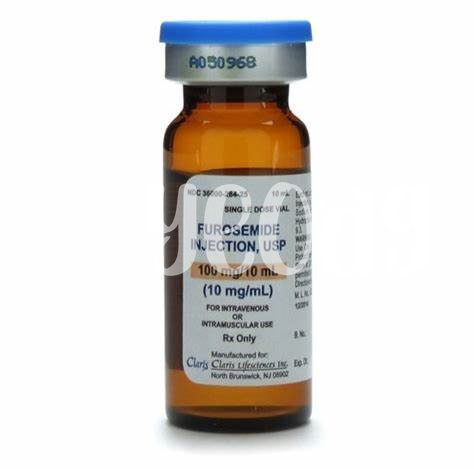
In acute decompensated heart failure, IV furosemide choices balance speed and steadiness. A bolus delivers rapid natriuresis and symptom relief, useful when dyspnea requires urgent diuresis; an IV Push can produce brisk urine output but risks hemodynamic shifts and transient ototoxicity at high doses. Continuous infusions offer smoother plasma concentrations, potentially greater natriuresis with lower peak exposure, and better titration when renal perfusion is precarious. Decision should reflect individual goals.
Practically, start rates consider prior oral dose, urine output targets, and hemodynamics; a common approach is an initial bolus followed by a low-rate continuous infusion when response is inadequate. Use piggyback or dedicated infusion pumps and check for rebound congestion when stopping. Monitor urine, electrolytes, creatinine, and hearing. Communicate clear Sig with the team and document the rationale so the care plan remains rapidly responsive and titratable for ongoing adjustments.
Monitoring Safety: Electrolytes, Renal Function, and Response
Clinicians watch patients closely when starting furosemide, blending observation with lab data to avoid surprises.
Serum sodium, potassium and magnesium should be checked frequently; changes guide dose adjustments and replacement strategies.
Urine output, creatinine trends and symptoms matter; escalate therapy per Rx instructions, and for IV use avoid rapid IV Push unless urgent.
| Parameter | Target |
|---|---|
| Sodium | 135–145 mmol/L; check daily; address deviations quickly |
| Potassium | 3.5–5.0 mmol/L; replace promptly; monitor ECG if low |
| Creatinine | Trend up may require dose reduction and nephrology consult |
| Note | Adjust with response and Meds Check daily |
Optimizing Therapy: Dose Conversion, Titration, and Troubleshooting
Clinicians often face a bedside puzzle: how to translate oral doses into effective parenteral therapy. Start by comparing bioavailability and absorption; remember oral furosemide has variable absorption. Document clear Rx and Sig to avoid errors.
Begin low and titrate based on congestion, urine output, and symptoms. Incremental increases allow physiologic adaptation and fewer electrolyte swings. Use weight trends and urine output to guide frequency of adjustments and determine response appropriately.
When urine fails to rise, consider diuretic resistance: assess adherence, oral absorption, and access. Switching to IV or using sequential nephron blockade may help. Avoid rapid IV Push to reduce ototoxicity risk at high doses.
Safety hinges on frequent lab checks—electrolytes, creatinine, and magnesium—plus practical counseling about diet and weights. Set thresholds for dose reduction and clear stop/start instructions so patients and teams can act quickly and confidently when needed.