

Click HERE To Buy Iverheal Online ↓
 Iverheal Safety: Side Effects and Precautions
Common Side Effects and How to Recognize Them
When you start a medication, your body may cause nausea, headache, fatigue or stomach upset. These often appear within the first doses and are brief; noting timing and severity helps separate normal adjustment from problems. A faint rash can occur.
Track symptoms in a simple log—what you felt, when it began, and other medicines or foods taken. Mild gastrointestinal complaints often improve with food or time, while persistent dizziness or worsening headaches merit attention. Note sudden changes from your baseline.
Communicate findings to your clinician, avoid alcohol if impaired, and refrain from driving until you know how you react. Do not stop the medication abruptly without medical advice; most common effects resolve or are manageable.
| Symptom | What to watch for |
|---|---|
| Nausea | Persistent or worsening |
| Dizziness | Falls, fainting |
| Rash | Spreading, swelling |
Serious Reactions: Signs That Need Emergency Care
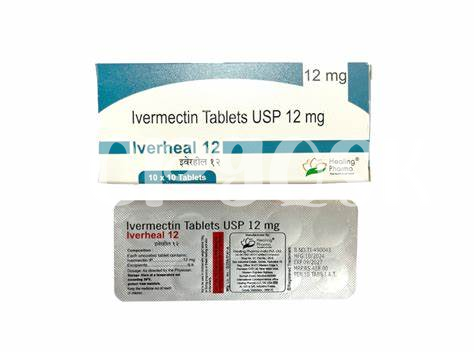
A sudden, severe reaction can turn a routine dose into a frightening episode. Patients taking iverheal should watch for rapid breathing, swelling of face or throat, hives, or difficulty swallowing—symptoms that suggest anaphylaxis. Acting fast can save lives.
Neurological emergencies such as confusion, seizures, visual changes, or fainting warrant immediate evaluation; these may indicate severe CNS toxicity or overdose. If someone becomes disoriented or develops a high fever after taking iverheal, call emergency services without delay.
Also seek urgent care for signs of liver dysfunction—yellowing skin or eyes, dark urine, persistent abdominal pain—or signs of severe infection like high fever and persistent vomiting. Keep drug information handy and inform responders about iverheal use for safety.
Who Should Avoid Iverheal: Contraindications Explained
People with liver disease, severe kidney impairment, or known hypersensitivity should steer clear of iverheal. A doctor’s review of medical history and current illnesses is essential; history of neurological disorders or blood dyscrasias may influence risk and require alternative therapies.
Pregnant or breastfeeding individuals, and young children unless dosing is specifically recommended, often face exclusion due to limited safety data. Concurrent use with drugs that depress the central nervous system or interact via liver enzymes calls for caution. Always consult a clinician before starting or stopping iverheal to ensure safety.
Interactions with Other Drugs and Substances

Starting iverheal can feel routine, but medicine meetings matter. It’s processed mostly via CYP3A4 and is a P‑glycoprotein substrate, so strong inhibitors (ketoconazole, macrolides, some antivirals) may raise blood levels and increase risk of dizziness or neurologic symptoms. Conversely, inducers like St. John’s wort can lower effectiveness. Anticoagulants and central nervous system depressants require extra caution.
Always tell providers about prescriptions, OTCs, and supplements; avoid grapefruit and alcohol until cleared. Your pharmacist can screen for interactions, and report new symptoms such as severe headache, confusion, or fainting immediately to clinicians.
Safe Dosing, Overdose Risks, and Monitoring Tips
In a busy clinic I once saw a patient relieved after a single iverheal tablet, a reminder that correct dosing matters. Follow the prescriber's weight-based regimen and timing; never double doses to catch up. Record dose, time, and any symptoms so clinicians can review patterns.
Overdose can cause dizziness, severe nausea, confusion, tremors or vision changes — urgent evaluation is required for progressing neurologic or cardiac signs. If you suspect excess intake, seek emergency care and bring the medication label. For ongoing therapy, periodic check-ins and liver function tests are reasonable when higher doses or interacting drugs are used.
| Parameter | Action |
|---|---|
| Typical dose | Follow prescription |
| Overdose signs | ER and label |
| Monitoring | Log doses; LFTs periodically |
Special Populations: Pregnancy, Children, Elderly Considerations
Pregnancy demands extra caution: data on Iverheal in pregnant people are limited, so clinicians weigh potential benefits against unknown fetal risks. If treatment is necessary, specialists typically prefer alternatives with established safety records.
For children, dosing is weight-based and formulations matter; using pediatric preparations and accurate scales prevents overdose. Caregivers should watch for unusual drowsiness, feeding changes, or skin reactions and seek medical advice promptly.
Older adults often have reduced renal or hepatic function and multiple medications, increasing adverse effect and interaction risks. Start at lower doses when appropriate and monitor for confusion, balance problems, or worsening organ function.
Across groups, shared strategies include consulting prescribers, reviewing medications, and arranging follow-up monitoring to manage risk.