

Click HERE To Buy Lopressor Online ↓
 Lopressor for Heart Failure: Benefits and Risks
How Lopressor Works to Support Weakening Hearts
When the heart becomes too weak to pump blood efficiently, it often works overtime, driven by stress hormones that make the heart beat harder and faster. Lopressor, also known as metoprolol, is a beta-blocker that intervenes in this process. By blocking certain signals from the body’s stress response, Lopressor gently slows down the heartbeat and reduces the heart’s workload.
This deliberate slowdown gives the heart time to fill more effectively and pump with better coordination, allowing oxygen and nutrients to circulate more smoothly. Not only does this help ease symptoms like fatigue and breathlessness, but it also helps protect heart muscle from further damage over time.
To visualize the target of Lopressor, see how it acts in the following areas:
| Action | Effect on Heart Failure |
|---|---|
| Slows Heart Rate | Reduces demand on weakened heart muscle |
| Blocks Stress Hormones | Limits damaging effects of chronic stress |
| Improves Heart Filling | Enhances circulation to organs and tissues |
Evidence-based Benefits of Lopressor in Heart Failure

When battling heart failure, patients often wonder if medications truly make a difference. Clinical trials have proven that lopressor (metoprolol tartrate) plays a significant role in improving heart failure outcomes. In landmark studies, people taking this beta-blocker experienced a reduction in hospitalizations and enjoyed a better quality of life.
Lopressor works by slowing the heart rate and lowering blood pressure, easing the heart’s workload. This effect not only gives the heart a chance to rest and recover but, over time, can even help the heart get stronger.
Furthermore, patients on lopressor have shown a lower risk of sudden cardiac death, a major concern in heart failure. Improvements in symptoms like fatigue and shortness of breath also allow for more daily activity.
These benefits mean lopressor is often a cornerstone of modern heart failure treatment. With regular use as prescribed, many patients find their symptoms are better controlled and overall prognosis improved.
Potential Risks and Side Effects to Watch for
When taking lopressor, some individuals may experience fatigue, dizziness, or a slow heartbeat as their body adjusts to the medication. While these effects are usually mild, it is important to inform your healthcare provider if they persist or worsen over time.
Occasionally, lopressor can cause more serious concerns, such as worsening shortness of breath or swelling in the legs. Rarely, it may affect blood sugar levels, especially in people with diabetes. Prompt communication with your doctor can help address any unexpected symptoms quickly.
Being attentive to changes in your body and monitoring how you feel on lopressor ensures you remain proactive about your heart health. If you notice new or unusual side effects, do not hesitate to reach out for professional advice.
Comparing Lopressor to Other Heart Failure Medications
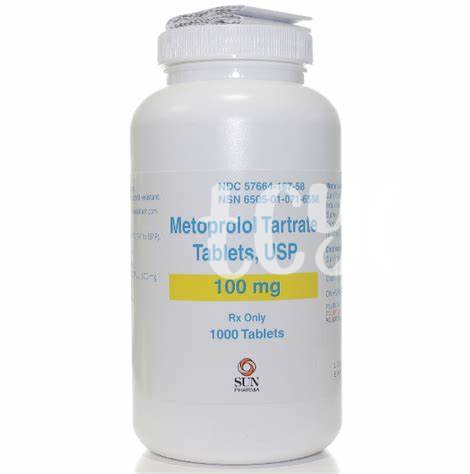
When looking at treatment options for heart failure, patients often encounter a variety of medications, each with unique strengths. Lopressor stands out as a selective beta-blocker, aiming to reduce the workload on the heart. In contrast, drugs like ACE inhibitors or ARBs target blood pressure and fluid retention differently.
Many heart failure patients may also take medications such as diuretics, which help eliminate excess fluid, or digoxin, which strengthens heartbeat. Lopressor is sometimes combined with these for a more comprehensive approach.
Unlike some alternatives, Lopressor offers the added benefit of proven mortality reduction in chronic heart failure cases. However, it can interact with other drugs.
Your doctor will carefully weigh each medication’s benefits and risks to tailor the best therapy for your needs.
Tips for Safe and Effective Lopressor Use
Taking lopressor as prescribed can make a meaningful difference in managing heart failure. Establish a routine for taking your medication, ideally at the same time each day, to ensure consistent results. Using a medication reminder on your phone or keeping a log can prevent missed doses and support better heart health.
Monitoring your blood pressure and pulse regularly is equally important. If you notice symptoms such as fatigue, dizziness, or unusually slow heartbeats, contact your healthcare provider immediately. Never stop lopressor suddenly, as this can be risky for your heart.
| Tip | Benefit |
|---|---|
| Take at same time daily | Maintains steady levels |
| Monitor blood pressure | Detects issues early |
| Communicate side effects | Ensures prompt adjustments |
When to Consult Your Doctor about Lopressor
Listening closely to your body’s signals can make a significant difference when taking Lopressor. Sudden changes—like unusual fatigue, swelling, fainting, or a slow heartbeat—deserve prompt medical attention. Even subtle shifts in blood pressure or increased difficulty breathing should not be ignored.
Regular follow-ups are crucial, ensuring the medication is working as intended and that side effects are promptly addressed. Open and honest communication with your healthcare provider builds a stronger partnership for managing heart failure together.
If you ever experience questions, unexpected symptoms, or challenges with your medication routine, reaching out to your healthcare team helps keep your heart health on track. Being proactive protects your well-being and ensures your treatment is right for you.