

Click HERE To Buy Mobic Online ↓
 Debunking Mobic Myths: Evidence-based Answers.
How Mobic Works: Mechanism Versus Popular Misunderstandings
Many people assume Mobic cures pain instantly or that it affects mood; the reality is subtler. It blocks COX-2 preferentially, reducing prostaglandin production and inflammation. Think of a targeted wrench easing joint stiffness rather than a sedative or a quick Rx fix. Not an opioid.
Because Mobic modifies inflammation pathways rather than reward circuits, it doesn't cause addiction typical of opioids; misuse risks differ. Side effects and interactions depend on dose, duration, and patient factors. Discuss alternatives, generics availability, and proper dosing with clinician or Pharm Tech for practical guidance.
| Aspect | Simple Summary |
|---|---|
| Primary action | COX-2 inhibition, lowers inflammation |
Debunking Addiction Myth: Is Mobic Habit‑forming?
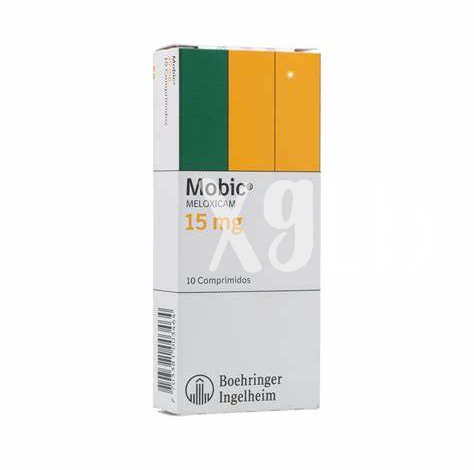
A patient believed every pain pill would hook them; I explained mobic is an NSAID that reduces inflammation via COX inhibition and is not habit-forming like opioids or Rx narcs.
Evidence from trials and clinical guidance shows no addictive mechanism; dependence stories usually involve opioid misuse or Pill Mill practices. Shared decision-making prevents unnecessary continuation and prompts review of other meds.
Ask your clinician about dose, duration, and Sig; monitor symptoms, avoid mixing with Rx narcs, and promptly report side effects so mobic remains a safe, effective pain option overall.
Heart Risk Reality: What Evidence Really Shows about Mobic
Clinical studies don't support blanket claims that mobic increases heart attacks in healthy short-term users. Large meta-analyses and randomized trials show cardiovascular risk among NSAIDs depends on dose, duration, and the specific agent; high-dose or long-term use of some COX-2 selective agents raised signals, but meloxicam at usual doses appears to carry a smaller and less consistent risk. Patient factors—existing heart disease, hypertension, or concurrent anticoagulants—drive most of the harm.
That means practical decisions should come from individualized risk assessment, not fear. Discuss benefits and risks with your prescriber, especially if your Script - Prescription overlaps with an OTC pain reliever or a blood thinner. Use the lowest effective dose for the shortest period, monitor blood pressure, and re-evaluate need regularly. For people with established cardiovascular disease consider alternatives or specialist advice; evidence supports cautious, informed use rather than avoidance.
Gastrointestinal Harm: Separating Risk from Exaggeration
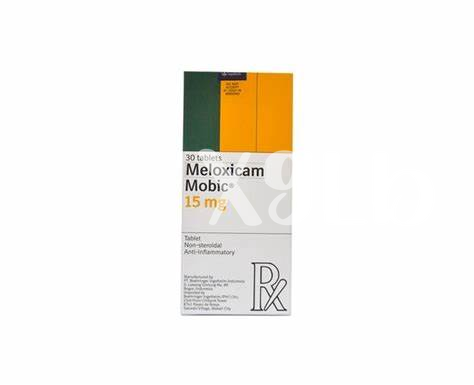
Patients often imagine dramatic ulcers after starting mobic, picturing internal storms. A explanation calms anxieties: NSAIDs reduce inflammation by blocking prostaglandins, which also protect the stomach, so risk depends on dose, duration, and individual vulnerability.
Evidence shows serious gastric bleeding is uncommon in healthy users at typical doses. Concomitant factors — age, alcohol, H. pylori, or steroid use — raise hazards, so screening for risks and considering gastroprotection is sensible.
Clinicians balance pain relief against harm by tailoring the Rx: lowest effective mobic dose for the shortest period, reassessing. Switching to OTC analgesics or adding a proton pump inhibitor may reduce stomach complications thereby.
Stories of ubiquitous harm sell headlines, but large trials and meta-analyses offer nuance: absolute risk rises mostly in vulnerable groups. Shared decision-making, consent, and vigilance for Side Effect signals keep treatment rational and patient centered.
Drug Interactions Clarified: Who Should Avoid Mobic Use
When considering mobic, think of it as part of a medication cocktail: it can amplify bleeding with anticoagulants (warfarin, DOACs), blunt diuretic and ACE‑inhibitor effects, and raise lithium or methotrexate levels. Patients on multiple pills or heavy OTC NSAID use should be cautious; always bring a current Rx list to appointments so interactions are checked.
Avoid mobic if you have advanced kidney disease, active peptic ulcer disease, decompensated heart failure, or are in the third trimester of pregnancy. Elderly adults with high pill burden need medication review and careful monitoring. When uncertain, ask your prescriber or pharmacist to review the regimen; temporary alternatives or dose adjustments often reduce risk while preserving pain control with follow-up.
| Medication | Interaction / Advice |
|---|---|
| Anticoagulants | Increased bleeding risk — monitor or avoid |
| ACEi / Diuretics | May reduce effect — check renal function |
Practical Takeaways: Evidence-based Safe Use Recommendations for Mobic
Start with a clear plan: talk to your clinician before starting Mobic, get the lowest effective dose for the shortest time needed, and review your Rx regularly. If you have high blood pressure, heart disease or GI history, ask about monitoring and alternative options; shared decision-making matters.
Combine Mobic thoughtfully with other meds — avoid routine NSAID stacking and check interactions with blood thinners or ACE inhibitors. Use Generics if cost is a barrier and consider OTC gastroprotection (like PPIs) for long courses; stop and report alarming symptoms such as black stools or shortness of breath.
Schedule periodic kidney and blood‑pressure checks, keep a record of all medicines and follow the prescribed dosing exactly. Avoid borrowing pills or informal exchanges; report concerning signs immediately. With communication, common-sense monitoring and adherence to guidance, Mobic can be used safely when clinically appropriate.