

Click HERE To Buy Modafinil Online ↓
 Traveling with Modafinil — Legal and Practical Tips
Know the Laws: Check Medication Rules Abroad
I once arrived at a small airport and felt the stomach drop when an officer glanced at my medication. Before traveling, research whether your drug is controlled, allowed over the counter, or needs special permits in your destination. Embassy websites, airline rules, and national drug agencies often list status and quantity limits. Start this check weeks ahead to avoid last-minute confiscation or fines, and note different names the drug may use locally.
Carry a copy of your prescription, a doctor’s letter explaining medical need, and translations if possible. Keep medicine in original packaging with labels and declare it at customs when rules require. If restrictions exist, contact your embassy or a local physician to arrange legal importation or substitute treatment. Planning documentation and communication ahead turns a stressful checkpoint into a routine step, keeping your trip on track and compliant.
| Quick Check | Where to Look | Action |
|---|---|---|
| Controlled status | National drug agency | Confirm legality and limits |
| Documentation | Doctor / Embassy | Obtain prescription and letter |
| Customs rules | Airline / Entry country | Declare if required |
Carry Documentation: Prescriptions, Letters, and Translations

I once stood at customs explaining why I carry modafinil, and a clear set of documents made the difference. Keep an up-to-date prescription with your name and dosage, and a brief physician letter describing medical necessity. Digital copies help but carry originals.
Translate any medical letters into the local language or English if traveling from a non-English country, and include generic drug names. Some countries ask for notarization or an apostille; check embassy guidance before you go to avoid delays.
Keep pills in original pharmacy bottles with labels, bring a photocopy of your prescription, and save your prescriber's contact information. When questioned, present documents calmly and proactively to smooth inspection and protect your treatment plan.
Packing Smart: Original Bottles and Airport-friendly Doses
I learned early that traveling light meant packing smart: my prescription bottle of modafinil stayed in my carry-on, label intact, alongside a photocopy of the prescription. Keeping the original container avoids questions and proves dosage and prescriber.
For airport convenience, transfer only the exact number of doses you'll need into a small, clear pill organizer and keep the rest in original packaging. Airline and security officers are reassured by manufacturer labels, so avoid decanting large quantities into unmarked bags.
Place the organizer and bottle in an easily accessible pocket to show if asked, and always check airline or country-specific limits beforehand. A short note from your doctor often helps clarify medical necessity during unfamiliar screenings.
Know Airport Security Procedures and Declare When Necessary
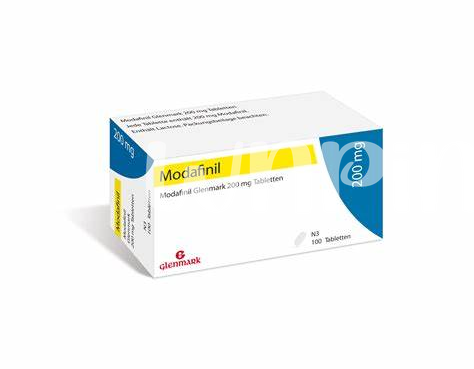
I felt my heart quicken at the checkpoint, clutching a small bottle of modafinil and a printed prescription. Security queues can be tense, but calm confidence helps.
Declare medications when required, show paperwork in original containers, and separate pills for inspection. Inform agents about dosage and medical need; rules vary by country and airline, so check ahead.
Expect x-ray or manual checks and remain polite; having translations of prescriptions eases communication. Keep extras in carry-on and note local legality to avoid surprises. Carry a doctor's contact number for verification abroad.
Managing Side Effects and Time Zone Sleep Strategies
On an overnight flight I learned to respect my body’s signals rather than rely solely on modafinil; mild nausea and jitteriness can creep in when sleep is fragmented.
Start with small doses and avoid mixing stimulants like caffeine. Stay hydrated, eat light meals, and carefully pack ginger candies or anti-nausea remedies to soothe stomach upset.
Plan sleep around your destination: use short naps to reset, exposure to daylight to shift rhythms, and melatonin for gradual adjustment. Keep a consistent wake time to anchor circadian adaptation.
If severe side effects occur, stop taking the medication and promptly seek local medical advice or telemedicine. Note dosage adjustments and document symptoms to discuss with your prescriber after travel.
| Symptom | Quick Tip |
|---|---|
| Insomnia | Short naps + daylight exposure |
| Nausea | Hydration + ginger |
Backup Plans: Lost Medication, Alternatives, and Telemedicine
On a long trip I once woke up and my pill bottle was gone; first, stay calm, retrace steps, check luggage and ask airline or hotel lost-and-found. If no luck, prioritize safety: don't skip doses suddenly or mix unknown substitutes.
Call your prescribing clinician and local pharmacies to ask about emergency supplies and legal requirements; some countries require local prescriptions. Embassies or consulates can advise on nearby clinics, and a photo of your prescription can speed care.
Short-term behavioral alternatives—strict sleep schedules, planned naps, hydration, and caffeine—can help while you sort a replacement, but they are not direct substitutes. Avoid unfamiliar stimulants or combining medications without medical advice.
Telemedicine services make emergency prescriptions and e-referrals practical; keep digital copies of prescriptions and medical notes, and also use secure video consults if abroad. Reliable information: Modafinil review, Drug label.