

Click HERE To Buy Priligy Online ↓
 The Science Behind Priligy: a Deep Dive
Understanding Priligy: an Overview of Its Purpose
Priligy, a medication specifically designed to address premature ejaculation (PE), aims to enhance the quality of life for affected individuals. As a selective serotonin reuptake inhibitor (SSRI), it temporarily alters the levels of serotonin in the brain to extend the time it takes to ejaculate. This allows for greater control during intercourse, providing both partners with a more satisfying experience. Unlike other SSRIs, Priligy is taken as needed, making it a convenient option for many. Clinicians prescribe it to help men who face challenges with rapid ejaculation, offering a scientifically backed solution to a common yet often distressing condition.
| Aspect | Details |
|---|---|
| Purpose | Manages premature ejaculation |
| Mechanism | Modulates serotonin levels |
| Usage | As needed |
Priligy's Chemical Composition and How It Works
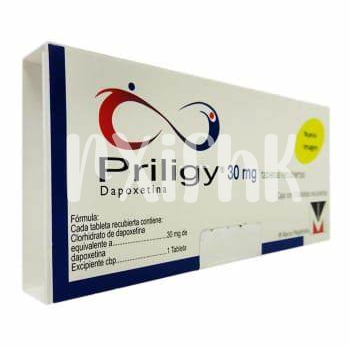
Priligy, also known by its active ingredient dapoxetine, stands out in its field as a selective serotonin reuptake inhibitor (SSRI) specifically developed for treating premature ejaculation. Its unique chemical structure allows it to temporarily increase serotonin levels in the brain, which is believed to enhance control over ejaculation. Upon ingestion, priligy is swiftly absorbed, achieving peak plasma concentrations within 1-2 hours. This rapid uptake is vital, enabling users to take it only when needed, providing a convenient and effective solution for many men.
The Science of Premature Ejaculation Explained
Premature ejaculation (PE) affects a significant portion of men worldwide, leading to potential distress and relationship issues. It involves ejaculation that occurs sooner than desired, often with minimal sexual stimulation. PE can arise from both psychological and biological factors. Priligy, a selective serotonin reuptake inhibitor (SSRI), helps delay ejaculation by altering the action of neurotransmitters in the brain. Understanding the biological underpinnings of PE is essential in identifying effective treatments. Priligy represents a promising option, offering relief and improved sexual satisfaction for many individuals.
Clinical Trials: Efficacy and Safety of Priligy

Clinical trials for Priligy, a medication primarily used to treat premature ejaculation in men, have demonstrated its efficacy in enhancing control over ejaculation and lengthening intercourse duration. Participants typically reported an increase in time-to-ejaculation, suggesting improved sexual satisfaction. While Priligy has proven effective, safety is also a crucial consideration. Studies have highlighted side effects like dizziness and nausea, which were generally mild to moderate. Rigorous monitoring during trials ensures a balance between achieving therapeutic benefits and mitigating potential risks, underpinning Priligy's role in patient care.
Comparing Priligy with Other Treatments
When exploring solutions for premature ejaculation, Priligy stands out as a selective serotonin reuptake inhibitor (SSRI), designed specifically to address this condition. Unlike other treatments, such as topical anesthetics or behavioral therapies, Priligy works by altering the levels of serotonin in the brain, effectively prolonging the time to ejaculation. This mechanism offers a more systemic approach, contrasting with the localized or psychological pathways employed by alternatives. In terms of efficacy, clinical studies have demonstrated that Priligy can significantly improve intravaginal ejaculation latency time (IELT), providing tangible results for many users.
Comparatively, while phosphodiesterase type 5 inhibitors (PDE5i) like sildenafil are widely used for erectile dysfunction, they do not specifically target ejaculation timing. Below is a comparison table that highlights the differences between these treatments:
| Aspect | Priligy | Topical Anesthetics | PDE5 Inhibitors |
|---|---|---|---|
| Mechanism of Action | SSRI | Desensitizes skin | Vasodilation |
| Primary Use | Premature Ejaculation | Premature Ejaculation | Erectile Dysfunction |
| Efficacy for PE | High | Moderate | Low |
Future Research Directions for Priligy Development
Exploring the future of Priligy involves delving into the potential for advanced formulations and combination therapies that could enhance efficacy and patient experience. Researchers are investigating extended-release versions of the drug to offer more convenient dosing options and longer-lasting effects. Additionally, there's a keen interest in understanding the genetic factors that influence premature ejaculation, which could lead to personalized medication strategies. This personalized approach might not only improve outcomes but also reduce the likelihood of side effects, optimizing the therapeutic experience for individual users.
Moreover, the development of next-generation selective serotonin reuptake inhibitors (SSRIs) that target specific serotonin receptors may hold promise. These innovations could refine the treatment process, catering closely to diverse patient needs. For more information, visit this article and this journal.