

Click HERE To Buy Prograf Online ↓
 Prograf Drug Interactions: What to Watch for
Understanding Prograf: What You Need to Know
Prograf, known generically as tacrolimus, is an immunosuppressive drug primarily used to prevent organ rejection in transplant patients. It works by lowering the activity of your immune system to prevent it from attacking the transplanted organ. Understanding its pharmacokinetics and metabolism is crucial, as it interacts with many substances, leading to potential complications. Here’s a brief overview of these attributes:
| Attribute | Details |
|---|---|
| Generic Name | Tacrolimus |
| Function | Immunosuppressant |
| Primary Use | Prevent organ rejection |
Being highly potent, proper dosage and monitoring are essential to ensure its efficacy and safety.
Common Medications That Interact with Prograf
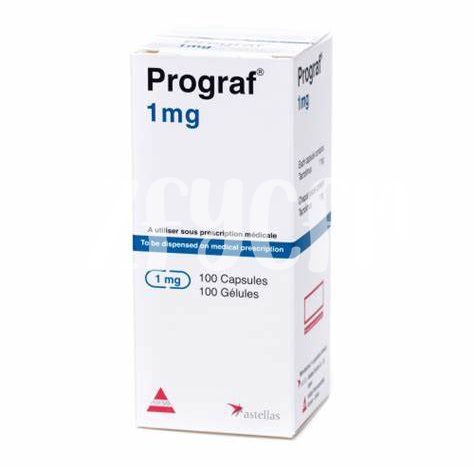
Prograf, a potent immunosuppressant used primarily after organ transplantation, is an excellent medication, but it's crucial to be aware of certain medications that can influence its effectiveness. Antibiotics like erythromycin can increase Prograf levels, potentially leading to severe side effects. On the other hand, medications like rifampin can decrease Prograf levels, reducing its effectiveness.
Blood pressure medications—especially calcium channel blockers like diltiazem—can also alter Prograf levels significantly. Moreover, some antifungal drugs, such as fluconazole and ketoconazole, can increase Prograf concentrations, necessitating meticulous monitoring and dose adjustments.
Food and Drink to Avoid While on Prograf
When taking Prograf, certain foods and beverages can significantly affect its efficacy and safety. Grapefruit and grapefruit juice are known to increase the levels of Prograf in your bloodstream, potentially leading to toxicity. Additionally, alcohol should be consumed with caution, if at all, as it may exacerbate side effects or affect liver function.
Caffeine intake should also be monitored; excessive consumption can heighten Prograf's side effects, such as increased heart rate and anxiety. Patients are advised to maintain a balanced diet and stay hydrated, avoiding unregulated herbal supplements that could interact negatively with the drug. Always consult your healthcare provider before making any dietary changes.
Potential Side Effects from Drug Interactions

When taking Prograf, understanding the potential side effects is crucial for maintaining overall health and safety. Many interactions can lead to serious issues such as kidney problems, elevated blood pressure, and increased susceptibility to infections. This is particularly concerning because Prograf already places a strain on the immune system by suppressing it to prevent organ rejection.
For instance, combining Prograf with certain antibiotics or antifungal medications can amplify its effects, causing severe kidney damage or elevated drug levels in the bloodstream. This can result in symptoms like difficulty in urination, swelling, and unusual fatigue. In some cases, digestive issues such as nausea and diarrhea can occur when mixed with specific medications.
It's also worth noting that certain over-the-counter drugs, like nonsteroidal anti-inflammatory drugs (NSAIDs), can increase the risk of gastrointestinal bleeding and exacerbate kidney dysfunction. Therefore, actively managing medication schedules and being aware of potential interactions are vital steps to avoid these severe side effects.
Managing Prograf Interactions in Everyday Life
Navigating day-to-day while taking Prograf involves some mindful adjustments to ensure safety and efficacy. One key aspect is keeping a medication journal. Noting down your daily dosage and any other medications you take can be crucial for tracking potential interactions. Additionally, mapping out your meals can help avoid foods that might interfere with Prograf, such as grapefruit or excessive potassium.
Moreover, using a pill organizer can aid in maintaining a consistent medication schedule, reducing the risk of accidentally skipping or doubling your dose. Syncing your medication routine with daily habits, like meal times, can also help you remember your doses more easily.
Finally, empowering yourself with knowledge and staying in regular communication with your healthcare provider is vital. Share your medication list every time you visit your doctor to ensure they can anticipate and manage potential interactions effectively.
| Tools | Benefits |
|---|---|
| Medication Journal | Tracks doses and interactions |
| Pill Organizer | Ensures consistent intake |
When to Consult Your Healthcare Provider
Your healthcare provider should always be your first point of contact when you have concerns about Prograf interactions. If you notice unusual symptoms like changes in blood pressure, unexplained fevers, or signs of infection, it's essential to consult your doctor immediately. Sudden increases or decreases in Prograf blood levels can lead to serious complications, including organ rejection or toxicity, so timely medical advice is crucial.
Additionally, keeping an open line of communication with your healthcare provider helps in preemptive management of potential interactions. Before starting any new medication or modifying your diet, check with your doctor to ensure it won't interfere with your Prograf regimen. Regular check-ups and blood tests are also vital in monitoring your condition and adjusting dosages as necessary to maintain optimal health.