

Click HERE To Buy Propecia Online ↓
 Propecia Vs. Minoxidil: Which Is Right for You?
How Propecia Works and Who Benefits Most
Think of hair loss like a slow storm: a clinician explains that a daily tablet branded as finasteride blocks the hormone DHT to preserve follicles, often stabilizing thinning and sometimes regrowing hair. Men with pattern baldness who notice gradual recession respond best, especially those early in the process. Discussing an Rx with a trusted clinician helps align expectations and manage risks.
Side conversations about cost, generics options, and monitoring make sense; baseline labs and follow-up visits ensure safety. Younger patients aiming to maintain density tend to benefit more than those with long-standing bald patches. Use realistic goals and plan a trial of several months before judging success.
| Benefit | Ideal |
|---|---|
| Stabilize hair | Early male pattern candidates |
Minoxidil Mechanism Application Tips for Daily Routine
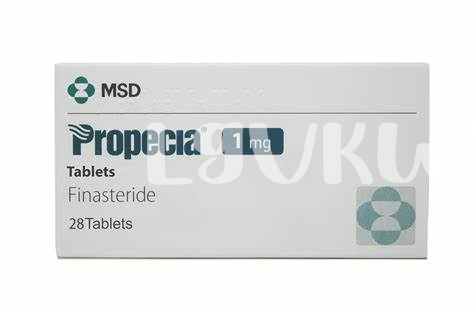
I once watched a friend trace tiny new stubbles after months of patience; minoxidil opens dormant follicles by widening blood vessels and lengthening the hair growth phase, not by changing hormones the way propecia does. Think of it as a wake-up call for follicles: consistent topical use feeds cells, prolongs anagen and can thicken strands over time.
Make it ritual: apply the recommended dose to clean, dry scalp twice daily, parting hair to reach the roots. Use a dropper or foam, massage gently, wash hands after. Track progress with photos and set reminders; if switching from OTC to Rx formulas or combining with propecia, consult your clinician to coordinate dosing and expectations and monitor irritation.
Side Effects Compared Risks Short Term and Long Term
As you start treatment, consider how each drug affects you personally. Propecia requires an Rx and brings clear benefit for pattern hair loss, but that certainty comes with choices about monitoring, consent, and tolerability.
Minoxidil is OTC and commonly causes scalp irritation, dryness, or initial shedding; these short-term effects often resolve with continued use. Sexual side effects are rarer with topical agents, whereas oral options act more systemically.
Long-term considerations include ongoing dependence to maintain results — stopping propecia or minoxidil can reverse gains. Some patients report persistent symptoms after discontinuation, so baseline counseling and periodic medication review with a clinician help manage expectations.
Balance immediate symptom risk against long-term quality-of-life impacts when choosing therapy. Discuss alternatives such as non-brand medications, lifestyle changes, combination approaches. Keep clear instructions, track changes, and return to your provider promptly if problems emerge for review.
Results Timeline When You Can Expect Visible Improvement
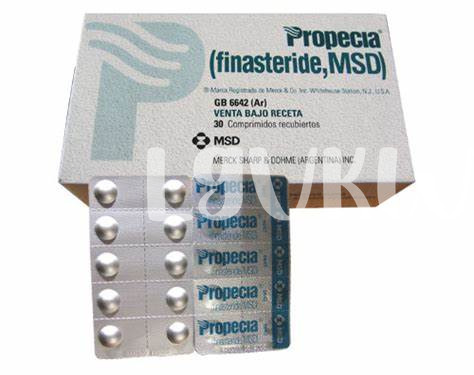
When you start treatment, patience is essential. For many users the first hint of change appears around three months, often as reduced shedding. With propecia, clinical benefits usually become noticeable by six months; full effects may take up to a year.
Expect an initial phase where hairs seem thinner — a temporary shedding that signals follicles shifting into a growth phase. If you start propecia with an Rx or combine treatments, stick with the plan and take monthly photos to spot subtle changes.
Consult your clinician if progress stalls: they may discuss dose adjustments or Titration, check adherence, and review other causes. Realistic expectations and ongoing follow-up are the best route to lasting gains soon.
Cost Accessibility and Prescription Considerations for Users
Affordability often steers decisions; propecia is typically costlier than topical alternatives and usually needs an Rx for coverage.
Generics reduce expense and boost accessibility, but Prior Auth (PA) requirements can stall approval and add visits.
| Option | Monthly |
|---|---|
| Propecia | $60 |
| Minoxidil | $20 |
Choosing between brand or generics, coupons, and pharmacy discount cards can trim monthly bills.
Discuss costs, alternatives, and combination plans with a clinician; explore samples, telehealth options, or patient assistance programs to reduce sticker shock and compare prices before you decide.
Choosing One Combining Both or Exploring Alternative Solutions
Deciding whether to go with a single treatment, pair therapies, or explore other options is intensely personal; picture weighing an Rx for finasteride against nightly minoxidil foam while balancing lifestyle, tolerance and expectations.
Many people find a combination acts like a performance boost: finasteride systemically while minoxidil targets follicles topically, but alternatives exist such as low level laser devices, PRP, or switching to Generics and lower cost formulations if budget is a concern.
The best path blends evidence, convenience and risk tolerance; consult a clinician, track progress, and be ready to adjust if side effects emerge or results stall. Plan regular check ins, consider simple lab monitoring, and weigh daily care demands before you commit.