

Click HERE To Buy Tirzepatide Online ↓
 Tirzepatide Myths Versus Scientific Facts
Popular Misconceptions about Tirzepatide’s Weight-loss Effects
Anecdotes about dramatic, effortless slimming fuel many assumptions. Real-world stories captivate, but they blur distinctions between clinical trial participants and people trying the drug outside controlled settings.
Some assume weight loss is purely appetite suppression; in truth, hormonal changes, delayed gastric emptying, and improved glycemic control all contribute. Results vary with diet, activity, and baseline metabolism.
Media narratives often treat outcomes as uniform.
| Myth | Fact |
|---|---|
| Instant | Gradual |
Clinicians emphasize individualized assessment: baseline insulin resistance, expectations, and support influence success. Framing the drug as a tool rather than a miracle aligns public perception with trial-based realities and promotes safer, sustained approaches to weight management. Patients deserve clear counseling on timelines, lifestyle integration, and realistic goals to maximize benefit safely.
Clinical Evidence: What Trials Actually Show about Efficacy

Early randomized trials read like hopeful chapters: participants on tirzepatide experienced significant, dose-dependent weight loss compared with placebo, sometimes within weeks.
Large phase 3 studies confirmed sustained reductions in body weight and improvements in glycemic control, with many achieving clinically meaningful targets.
However, pooled analyses emphasize variability: responses differ by baseline BMI, diabetes status, and concomitant therapies, tempering universal expectations.
Overall, evidence supports robust efficacy for many patients, but translating trial results into real-world outcomes requires patient selection, monitoring, and longer follow-up. Further research will refine optimal duration and dosing.
Safety Profile Realities: Side Effects Versus Safety Signals
Patients often imagine dramatic harms, but clinical experience shows most adverse effects are gastrointestinal and transient: nausea, diarrhea, constipation and vomiting predominate. Serious events such as pancreatitis or gallbladder disease have emerged as possible safety signals in surveillance, yet remain uncommon in trials. These findings call for measured concern, structured monitoring and clear patient counseling rather than alarmist headlines.
Clinicians balance meaningful metabolic benefits against these risks, using gradual dose titration and symptomatic management to improve tolerance. With tirzepatide, vigilance for GI intolerance, gallbladder symptoms and rare hypoglycemia (especially with insulin or sulfonylureas) is always prudent. Longitudinal registries and real-world data will refine our understanding, so informed consent, individualized care and continued pharmacovigilance are essential.
Metabolic Mechanisms Explained: How Tirzepatide Works Biologically
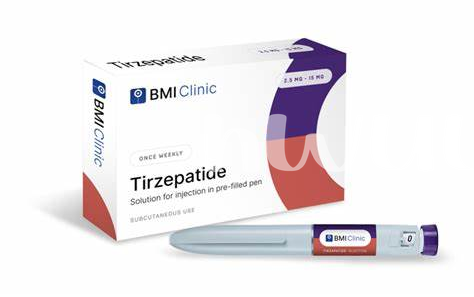
Tirzepatide engages both GIP and GLP-1 receptors, enhancing glucose-stimulated insulin release and reducing hunger through central satiety pathways.
At the cell level, receptor activation triggers cyclic AMP and downstream signals that improve beta‑cell responsiveness and transiently slow gastric emptying, which together reduce caloric intake.
Systemically, improved glycemic control lowers glucotoxicity, improving insulin sensitivity and promoting modest shifts in fat distribution and hepatic metabolism observed in trials.
These mechanisms explain rapid weight loss and glycemic benefits, yet they also suggest why individual responses vary and why long‑term metabolic remodeling needs study.
Off-label Use and Ethical Considerations Around Access
Clinicians face rising patient demand for tirzepatide, and some prescribe beyond approved indications to address unmet needs. This practice reflects hope but also uncertainty, since evidence may be limited for such uses.
Patients seek rapid solutions and encounter unequal access; wealth and networks can determine who receives experimental prescriptions. Equity concerns intensify when supplies intended for trials are diverted to private use.
Ethical prescribing requires informed consent, transparent discussion of risks and benefits, and a preference for enrolment in clinical trials to build knowledge. Regulators should craft guidance that balances compassionate care with rigorous oversight.
A compact table below summarizes roles and responsibilities.
| Actor | Priority |
|---|---|
| Clinician | Informed consent |
| Regulator | Guidance |
| Patient | Fair access and coverage |
Long-term Outcomes: What Science Predicts Versus Speculation
Early trials hint at durable weight and glycemic benefits when therapy continues, but extrapolating decades-long outcomes remains premature. Ongoing cardiovascular and safety studies will clarify risks and mortality effects; meanwhile, real-world registries are essential to reveal rare events and adherence patterns.
Science predicts improved cardiometabolic markers for many patients, yet speculation inflates notions of cure or risk-free use. Clinicians should couple treatment with lifestyle support, shared decision-making, and vigilant monitoring while awaiting long-term evidence that distinguishes promising signals from transient or biased observations and meaningful clinical endpoints over longer timeframes.