

Click HERE To Buy Ventolin inhaler Online ↓
 Traveling with Ventolin Inhaler: Airline Rules Explained
Carry-on Rules for Rescue Inhalers: What to Know
I once boarded nervously, inhaler tucked in my hand luggage. Airline rules generally allow prescription rescue inhalers in carry-on bags, even beyond liquid limits, but keep the device accessible.
Label the inhaler with your name and carry the prescription or doctor’s note. Some carriers ask for original packaging or clear medical documentation at check-in.
Declare the inhaler at security screening to avoid delays; you may undergo a quick inspection instead of X-ray. Spare canisters usually fit carry-on allowances but check specific airline policies.
| Item | Carry-on? |
|---|---|
| Rescue_inhaler | Yes |
| Spare_canister | Varies |
Packing Inhalers and Spare Canisters Safely
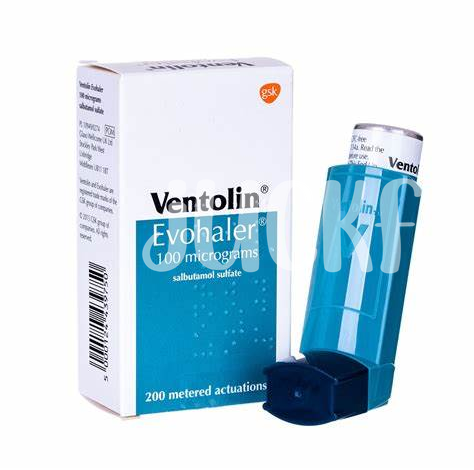
I tuck my ventolin inhaler into a clear resealable bag so it’s visible at security; spare canisters join labeled medication pouches to avoid confusion. Soft case protects mouthpiece.
Carry on placement keeps it cool and accessible, and I pack a small checklist, dose, prescription, expiration, behind the canister for quick reference. Avoid checked baggage for spares.
If traveling internationally, I note airline rules and carry a doctor's note and original packaging; double check quantity limits to avoid seizures or delays. Keep an extra spacer if you use one and instructions.
Navigating Airline Documentation and Medical Certificates
At the gate I once fumbled through a doctor’s note until an agent smiled and said a dated prescription suffices. Carry a signed, dated prescription listing the ventolin inhaler and dosage.
Request a medical certificate if traveling with several canisters or oxygen needs; some carriers require formal forms. Include diagnosis, treatment plan, emergency contact and physician signature to avoid delays.
For international flights, translate documents and scan copies to email or phone. Call the airline ahead to confirm accepted paperwork and keep originals in carry-on for quick inspection and backup.
Security Screening: Handling Pressurized Inhalers Efficiently
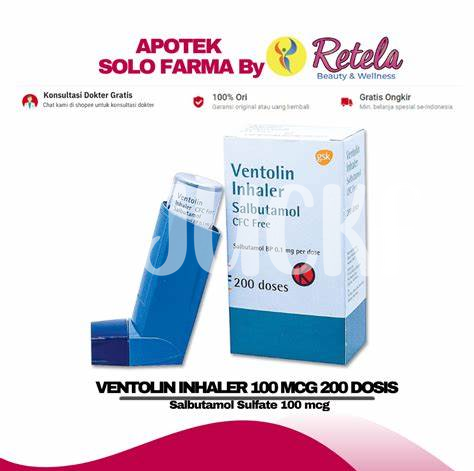
At security, imagine calming a moment of anxiety as you present your ventolin inhaler separately in its case; agents are used to medical devices and appreciate clear labeling and packaging.
Request a manual inspection if required: inform officers before reaching the X-ray belt, keep canisters capped, and carry a prescription or note to speed the process — rules vary by country.
Keep inhaler accessible in carry-on; if traveling internationally, check airline and TSA guidance ahead, and explain usage politely to staff to avoid delays during screening and boarding for safety.
Connecting Flights, Layovers, and International Differences
When hopping between planes, imagine a short film: you sprint to a gate, unzip your bag and locate your ventolin inhaler and spares. Keep it in carry-on; don’t pack it with checked luggage. For tight layovers, carry a copy of your prescription and a note about active asthma so staff can help if security or an airline needs clarification.
Understand airports and countries differ: allowed canister counts, documentation and even battery rules vary. Allow extra time, check airline and destination medical policies before travel, and register assistance at transfer desks when possible. That small preparation turns stressful connections into manageable pauses, leaving you focused on reaching your destination and ready to use medication if needed.
Best Practices for Emergency Use Inflight
Midflight breathlessness can feel frightening, but staying calm helps. Tell a flight attendant immediately, describe symptoms and show the inhaler. Sit upright, loosen tight clothing, and use your inhaler exactly as you would on the ground—remove the cap, shake if needed, exhale, seal lips around the mouthpiece and take a slow, deep inhalation. Wait one minute between puffs.
If symptoms persist after initial doses, ask crew for medical assistance and oxygen; planes carry emergency kits and can contact ground support. Use a spacer if you normally do, keep the inhaler within reach. Record the time and number of puffs and immediately inform cabin crew if your condition worsens so they can coordinate care on landing.