

Click HERE To Buy Vermox Online ↓
 How Long Does Vermox Take to Work?
How Vermox Works: Speed of Killing Worms
A single dose of mebendazole, often prescribed as an Rx, works by paralyzing intestinal worms and blocking their nutrient uptake. Within hours worms stop moving and die, though dead parasites may linger before being expelled. Patients often notice less itching and discomfort within days.
Effect timing varies with worm type and host factors; Generics behave like brand drugs but treatment length matters. For some infections a single dose ends transmission quickly, while others need a multi-day regimen to clear mature and immature stages; follow-up testing ensures success and reduces risk.
| Onset | Estimate |
|---|---|
| Hours | Days |
Typical Timeframe: When Patients Notice Improvement
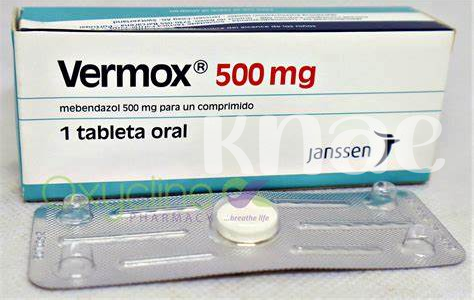
After the diagnosis, people often wonder how quickly relief comes. With vermox, adult worms are stunned within days, but symptoms like itching or abdominal pain may linger. Clinicians reassure patients that visible improvement often starts within one to two weeks.
If the infection is light, stool egg counts drop sooner; heavier infestations take longer. A single-dose Rx sometimes clears pinworms quickly; other parasites require multi-day regimens. Generics perform similarly to brand-name pills, and your Pharm Tech or pharmacist can explain proper directions.
Watch for worsening fever, severe pain, or new neurologic signs and return promptly for testing. Follow-up stool tests or a hard copy confirms cure, and most patients generally feel much better within weeks.
Factors That Influence Vermox Effectiveness Timeline
Recovery timing varies, young children with heavy infections may feel relief sooner, while stubborn tapeworms or high worm burdens can take longer despite treatment. vermox begins disrupting parasite energy in hours, but symptom improvement depends on how many worms are present and how quickly the body clears debris.
Absorption and co-medications matter: poor gut absorption, concurrent antibiotics or immunosuppressants, and nutritional status all shift the timeline. Using Generics versus brand usually doesn’t change efficacy, but incorrect dosing or missed doses after an Rx will delay response.
Reinfection risk, household hygiene, and follow-up testing shape outcomes; stool checks can show treatment success and guide repeat therapy. If symptoms persist beyond expected windows, seek re-evaluation and testing.
Dosing Differences: Single Dose Versus Multiple Days

On a single-dose Rx - Prescription, vermox often works quickly against pinworms; many patients notice reduced itching within 24 to 48 hours, though eggs may persist. A short, dramatic relief can feel like a plot twist, but killing adult worms doesn’t immediately erase all symptoms.
Longer courses follow a different rhythm: treating for three days or repeating doses clears more stages of infection and cuts transmission risk. Follow your Sig - Directions on a prescription, avoid self-treatment, and return promptly for follow-up if symptoms persist beyond two weeks or worsen.
Symptoms That Should Prompt Faster Medical Review
Many people expect relief quickly when they take vermox, but certain warning signs deserve urgent evaluation. If you develop high fever, severe abdominal pain, persistent vomiting, bloody stool, rapid heartbeat, breathing difficulty, fainting, or an expanding rash after treatment, seek care immediately. Tell clinicians about any recent Rx or OTC medications, allergies, and whether you were given a second dose. Early review can catch dehydration, secondary infection, or allergic reactions before they worsen.
Don't delay contacting a provider if neurological symptoms appear — dizziness, seizures, numbness, or confusion — or if symptoms persist beyond the expected timeframe. Bring a list of meds and any blister packs to the pharmacy or pharmacist so interactions can be checked and a proper plan made. Documentation of symptoms and timely testing helps guide whether repeat dosing, alternative therapy, or supportive care is needed.
| Sign | Why |
|---|---|
| High-fever | Infection-risk |
What to Expect: Side Effects and Follow-up Tests
After taking mebendazole, many people feel only mild stomach upset, nausea or headache within a day or two; others notice increased bowel movements as parasites die. Rare reactions—rash, fever, or jaundice—need urgent evaluation. Keep your Script and any allergy history handy when calling for advice.
Mild side effects usually resolve without treatment in a few days; symptomatic care like small meals and fluids helps. Follow-up testing depends on infection: stool ova cultures or repeat exams may be scheduled weeks after therapy for some worms. Pregnant patients should consult your provider before taking mebendazole.
Contact your clinician if symptoms persist beyond two weeks, if you develop high fever, severe abdominal pain, persistent diarrhea, or signs of allergy. Avoid self-medicating with OTC remedies without advice, and clarify interactions with other meds at the pharmacy or during a meds check and schedule follow-up.